
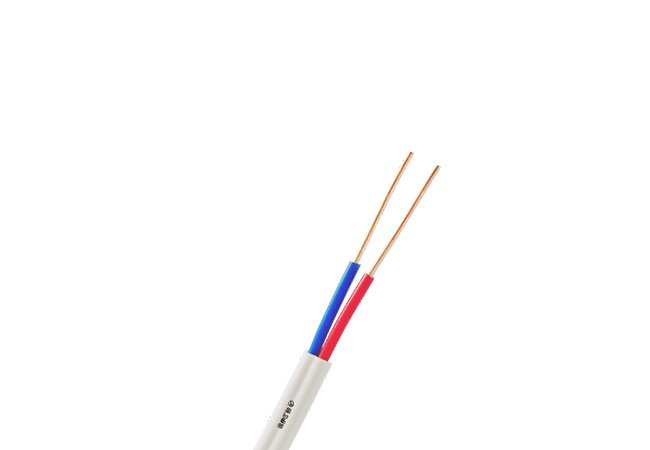
Low Voltage Wiring Parameter
Conductor material: copper, aluminum, alloy
Copper conductor cross-sectional area: 1.5-400mm2
Insulation layer: PVC/XLPE/rubber/LSZH, etc.
Sheath material: PVC/PUR/LSZH, etc.
Armor: steel belt or steel wire, etc.
Voltage level: below 1kV
Number of cores: single core, 2 cores, 3 cores or multi-cores
Minimum bending radius: greater than 5 times the outer diameter of the cable for static laying, and greater than 8 times the outer diameter of the cable for dynamic laying
Is customization supported: yes
Strictly Tested Low Voltage Wiring
We know that safety is the most important factor you consider when choosing low voltage wiring, so we will test each wire with a 3.5 or 6kV test voltage before delivering it to you to ensure that our cables can maintain safe operation for a period of time even under overrated voltage. We will also conduct strict tests on the resistance of the insulation material, and simulate the current carrying capacity to ensure the safety of the cable.
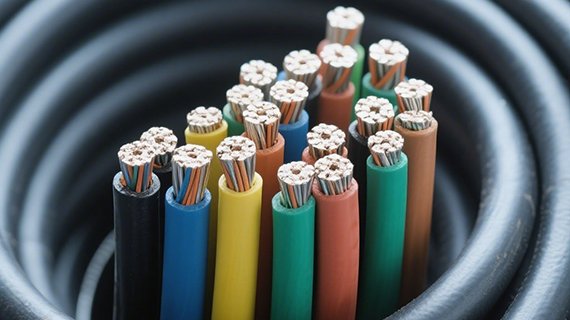
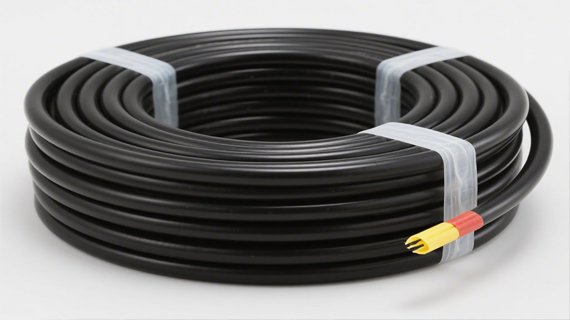
Flexible Low Voltage Wiring With Fireproof Performance
According to your different needs, we customize low voltage wiring with different flame retardant levels for you. You can choose flame retardant, fire-resistant, smokeless and low halogen models for your different scenarios. Our fire-resistant cables have a temperature resistance of up to 750 degrees and are widely used in fire protection lines in various industries. Our flame-retardant wires are also very popular.
Whether low voltage wiring can be used depends on how far your transmission distance is. If it is a long-distance power supply of more than 1km, we still recommend that you use a high-voltage cable voltage reduction distribution solution to ensure safety.
It is recommended to use rubber-sheathed cables for temporary power use, which have stronger tensile and wear resistance.
Under the same cross-sectional area, copper conductors have higher conductivity and heavier weight than aluminum conductors. In addition, copper conductors are more expensive. You can choose freely according to the situation of the project, or you can contact us for advice.